
Proceeding with repairs that cost more than the resulting increase in property value is often the right decision when safety, structural integrity, or regulatory compliance is at stake. While traditional cost-benefit analysis suggests walking away from projects where repair bills exceed market gains, contractors regularly encounter scenarios where homeowners must move forward regardless: foundation failures, electrical hazards, critical roofing damage, and mandatory code upgrades. The framework for evaluating these situations extends beyond simple arithmetic to include liability considerations, long-term property preservation, and whether the owner intends to occupy or sell.
For contractors guiding clients through these decisions in 2026, the conversation begins with honest disclosure. A homeowner facing a $45,000 foundation repair on a property that will appreciate by only $30,000 deserves a clear explanation of the value gap alongside the consequences of inaction. Structural damage worsens over time, typically at accelerating rates. Deferred foundation work leads to wall cracks, door misalignment, plumbing stress, and eventual systems failure. The $45,000 problem becomes a $75,000 catastrophe within three to five years in most Canadian climates.
Cost control becomes the contractor’s most valuable service in these scenarios. Equipment rental rather than ownership-based pricing, phased project timelines, and transparent material sourcing can reduce invoices by 15 to 30 percent without compromising quality or safety standards. When repair costs genuinely exceed the property’s total remaining value, alternatives like selective demolition, partial repairs to enable sale, or connecting owners with services that we buy any house for cash may serve the client’s interests better than a full-scale project they cannot afford.
Understanding the Cost-Versus-Value Gap
The cost-versus-value gap occurs when you invest money in a property repair or renovation only to discover that the completed work increases the property’s market value by less than what you spent. A $50,000 foundation repair that adds only $20,000 to resale value creates a $30,000 gap. This scenario is more common than most property owners realize, particularly in markets where renovations may not pay back quickly or where structural work addresses hidden systems rather than visible upgrades.
To calculate this gap, start with a pre-repair property appraisal or comparable sales analysis. Get a detailed estimate for the proposed work. Then obtain a post-repair valuation estimate that accounts for the completed improvements. The difference between your total investment (repair costs plus carrying costs during work) and the anticipated value increase reveals your gap. A negative number means you’re spending more than you’ll gain in market value.
- Cost Recovery
- The percentage of your repair or renovation investment that gets reflected in increased property value, typically ranging from 50% to over 100% depending on the type of work and market conditions.
- Property Value Appreciation
- The increase in a property’s market worth attributable to specific improvements, separate from general market trends or inflation.
- Over-Improvement
- Installing features, finishes, or systems that exceed what buyers in a neighborhood expect or will pay for, resulting in poor cost recovery.
- Market Ceiling
- The maximum price a property can command in its specific location and category, regardless of how much money gets invested in improvements.
This gap emerges for several reasons across Canadian properties. Market ceilings limit what buyers will pay in certain neighborhoods regardless of upgrades. Essential but invisible repairs, new wiring, updated plumbing, foundation stabilization, preserve property integrity without creating buyer appeal. Regional economic conditions also play a role, as slower markets in resource-dependent communities often struggle to support premium valuations even after significant investment. Understanding these dynamics helps contractors guide clients toward realistic expectations and smarter project decisions.
Common Scenarios Where Repair Costs Exceed Property Gains
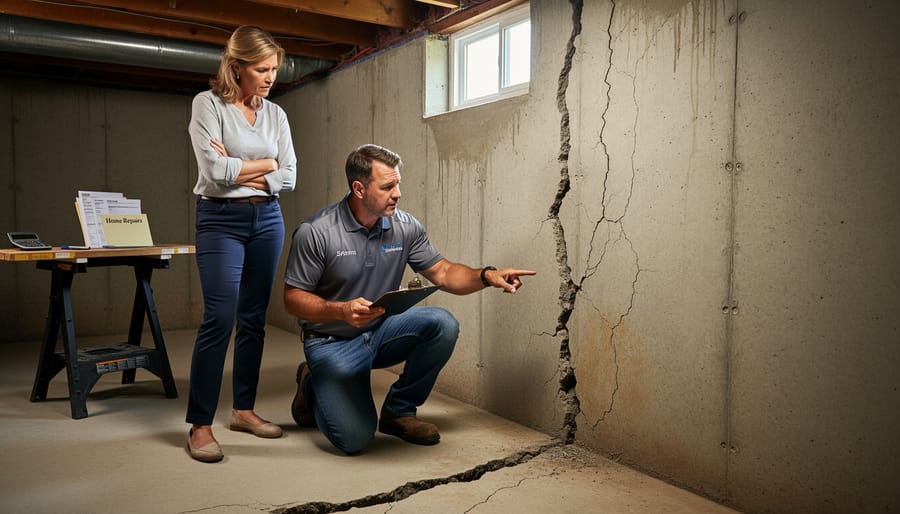
Structural and Foundation Repairs
Foundation and structural work represents one of the most challenging cost-versus-value scenarios contractors face. A cracked foundation repair might run $15,000 to $40,000, yet appraisers typically won’t add that amount to property value. They view it as restoring the home to its expected baseline condition, not enhancing it.
The same applies to settling foundations, bowing basement walls, and compromised support beams. These repairs are essential for safety and preventing catastrophic failure, but buyers simply expect a structurally sound home. When they see recent foundation work, they often question what caused the problem rather than viewing it as added value.
Basement waterproofing falls into this category too. Spending $8,000 on exterior drainage systems and sealant prevents water damage and mold, but the market won’t reward you with a proportional increase. You’re solving a problem that shouldn’t exist rather than adding a feature buyers will pay extra for.
Despite poor financial returns, structural repairs can’t be deferred. Building codes require sound foundations, and insurance claims or future sales will reveal any issues. These are protect-your-investment expenses, not value-adding improvements.
Premium Upgrades in Entry-Level Markets
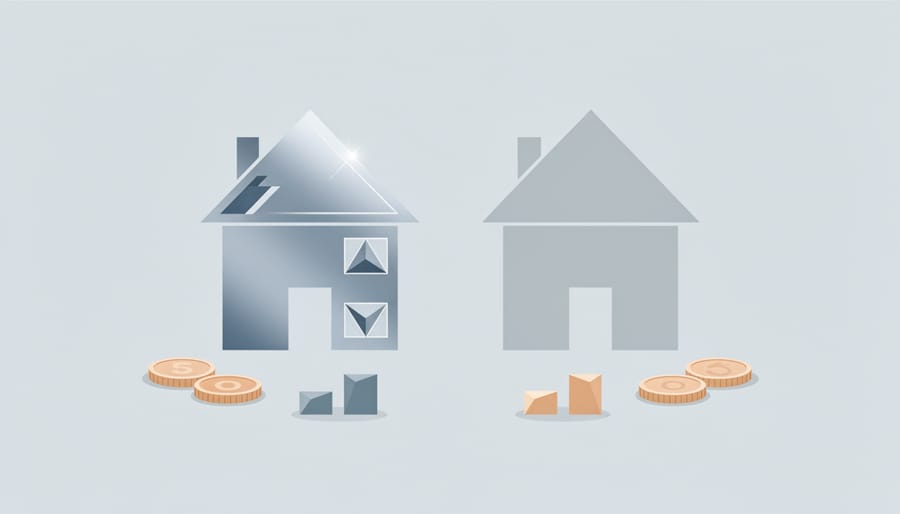
Installing granite countertops, hardwood flooring, and designer fixtures in a starter home located in a working-class neighborhood rarely generates proportional returns. The disconnect occurs because comparable properties, the benchmark appraisers use, simply don’t support premium valuations regardless of finish quality.
Contractors frequently encounter clients requesting upscale materials that dramatically exceed neighborhood standards. A $40,000 kitchen renovation featuring custom cabinetry and commercial-grade appliances might add only $15,000 to a home’s value in a market where neighboring properties sell for $250,000 with builder-grade finishes. Buyers shopping in that price range typically prioritize location and square footage over luxury details.
The challenge intensifies when property owners conflate personal enjoyment with investment return. While there’s merit in creating a comfortable living space, contractors must clearly communicate the financial reality. Documentation helps, showing clients recent comparable sales and discussing typical buyer expectations in their specific market establishes realistic value projections.
Geographic context matters considerably. Premium finishes that fall flat in suburban entry-level markets might perform differently in gentrifying urban neighborhoods where renovation quality signals broader area improvements. Understanding local market dynamics helps contractors guide appropriate specification decisions.
Aging Building Systems
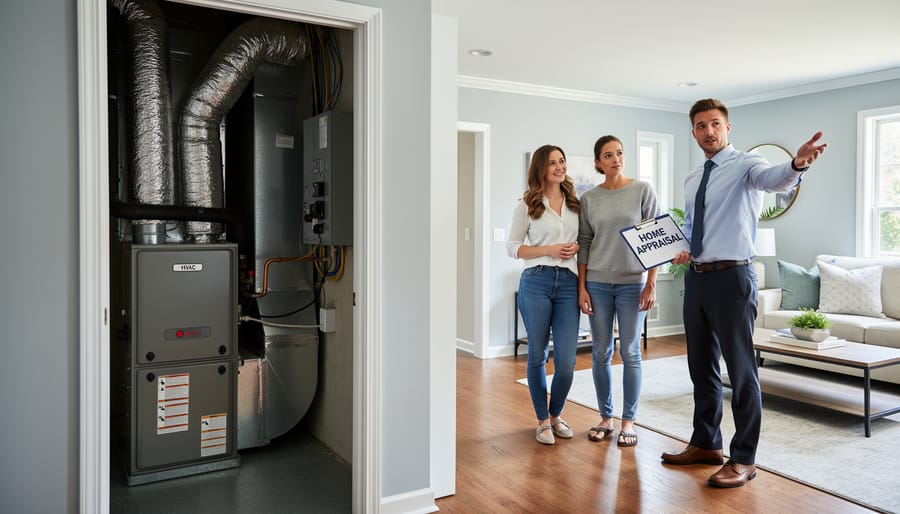
Replacing aging HVAC systems, outdated electrical panels, or deteriorating plumbing represents one of the most frustrating value gaps contractors help clients navigate. A new furnace might cost $8,000 installed, but appraisers typically assign minimal additional value because functional heating is expected, not premium. The same holds true for electrical service upgrades and PEX re-piping, essential modernizations that prevent failures but offer little market appeal.
Buyers assume these systems work properly during inspections. They rarely pay extra for recent replacements unless the existing systems are flagged as deficient. A 15-year-old furnace that functions adequately holds nearly the same perceived value as a brand-new high-efficiency model, despite the substantial cost difference.
This dynamic creates difficult conversations. Property owners investing $20,000 in updated mechanicals may recover only $5,000 to $8,000 in appraisal value. The systems keep the building habitable and prevent costly emergency repairs, but they don’t generate buyer excitement like kitchen renovations or bathroom upgrades do.
For contractors, managing client expectations around these hidden improvements means emphasizing longevity, reliability, and avoided future costs rather than immediate return on investment. These repairs protect property integrity even when they don’t boost market value proportionally.
Making Informed Decisions as a Contractor
Conducting a Cost-Benefit Assessment
When evaluating repair projects against potential property value gains, contractors need a systematic approach that gives clients clear, defensible numbers. Start by obtaining a current professional appraisal or comparative market analysis to establish the property’s baseline value in its present condition. This figure becomes your starting point for all calculations.
Next, gather detailed cost estimates for the proposed repairs, ensuring they include materials, labor, permits, and a realistic contingency budget of 10-15% for unexpected issues. Compare these total costs against post-repair value estimates, which should come from real estate professionals familiar with your local market. The gap between what you’ll spend and what you’ll gain tells the financial story.
But numbers alone don’t capture the full picture. Factor in the property owner’s timeline, someone planning to sell within a year faces different math than someone staying for fifteen years. Calculate the annual cost of deferring repairs, including potential deterioration and compounding damage that makes future fixes more expensive.
Consider non-financial benefits that matter to decision-making: improved safety, reduced maintenance headaches, better functionality, and enhanced livability. A repair that loses money on paper might still make sense if it eliminates a safety hazard or solves a persistent problem that affects daily use.
Document your findings in a simple comparison chart showing current value, repair costs, projected post-repair value, and the net gain or loss. This transparency helps clients make informed choices based on their specific circumstances rather than assumptions.
Transparent Client Communication
Delivering unwelcome financial news requires careful timing and a structured approach. Schedule a dedicated conversation specifically to discuss project costs and expected returns, don’t tack this discussion onto the end of a site visit or embed it in an email chain. Property owners deserve your full attention when processing difficult numbers.
Present the data clearly: “This foundation repair will cost approximately $45,000. Based on current comparables in your neighborhood, it will likely add $20,000 to $25,000 to your property’s market value.” State the facts without sugar-coating, but also without judgment. Your role is to inform, not to make the decision for them.
Context matters enormously. Explain what the repair actually accomplishes beyond market value. Does it prevent further damage? Make the home habitable? Meet code requirements for insurance? Address safety concerns? Many owners will proceed once they understand these repairs aren’t optional luxuries, they’re necessary maintenance that happens to cost more than the market recognizes.
Avoid pressure tactics or pushing toward the most expensive solution. Walk through alternatives honestly: temporary fixes, phased approaches, or scaled-back specifications. Some contractors worry that presenting cheaper options will cost them revenue, but this transparency builds trust that leads to repeat business and referrals.
Document everything in writing. Follow your conversation with a clear summary email outlining the costs, expected value impact, and the reasoning you discussed. This protects both parties and ensures everyone remains aligned as the project progresses.
When to Proceed Despite Negative Returns
Not every repair decision comes down to immediate return on investment. Property owners sometimes need to move forward with costly work even when the numbers don’t add up on paper, and understanding these scenarios helps contractors provide appropriate guidance.
Safety and code compliance represent the most compelling reasons to proceed regardless of value recovery. A compromised foundation threatens structural integrity. Outdated electrical systems create fire hazards. Failing HVAC equipment in northern climates becomes a habitability issue during winter months. These repairs aren’t optional, and delaying them typically increases both cost and risk. When you’re advising clients on essential safety work, the conversation shifts from property value to protecting lives and meeting legal obligations.
Long-term ownership plans change the calculation entirely. A client planning to stay in a property for fifteen years isn’t selling into tomorrow’s market. They’re investing in their own comfort, functionality, and peace of mind. That outdated kitchen might not return its cost at resale, but it delivers value through daily use over many years. The same applies to accessibility modifications for aging in place or creating a dedicated workspace for remote employment. These improvements serve the owner’s specific needs rather than theoretical future buyers.
Legal requirements sometimes force the issue. Building code violations discovered during inspections must be corrected before permits close. Zoning compliance, environmental remediation, and accessibility mandates don’t negotiate based on property values. Contractors encountering these situations should document requirements clearly and help clients understand their obligations, even when the financial impact is unfavorable.
Insurance considerations also drive necessary repairs. Many insurers refuse coverage renewal without addressing known issues like old roofing, outdated electrical panels, or water damage. The cost of losing insurance coverage far exceeds most repair bills, making the work financially prudent despite poor value recovery.
Family circumstances occasionally justify moving forward too. Inheritance situations, divorce settlements, or estate requirements can create scenarios where repairs become necessary to resolve legal matters or meet obligations to other parties, regardless of how the numbers work for property value.
Alternative Solutions and Strategic Approaches
Phased Project Implementation
Phased project implementation transforms an overwhelming cost burden into manageable investments spread across realistic timeframes. Instead of tackling a $50,000 foundation repair and $30,000 interior renovation simultaneously, address the structural work now and delay cosmetic upgrades until market conditions improve or ownership plans solidify.
Start with safety-critical repairs, foundation stability, electrical hazards, water intrusion, then schedule value-adding improvements for later phases. This approach preserves immediate habitability while deferring discretionary spending until you’re closer to a potential sale or until property values catch up with your investment.
Budget flexibility is another advantage. When you rent the right equipment for each phase rather than purchasing, you reduce upfront capital requirements and can adjust scope between stages based on actual results and changing client needs.
Document each phase’s completion with photos and receipts. This creates a clear improvement timeline that future buyers or appraisers can review, demonstrating methodical property stewardship rather than rushed, incomplete work. Contractors who rent renovation equipment for individual phases also maintain scheduling flexibility, starting the next stage when funds and market timing align rather than when loan payments demand it.
Value Engineering Without Compromising Quality
Value engineering focuses on achieving project requirements at lower costs without sacrificing structural integrity or workmanship. Start by analyzing the project specifications to identify areas where equivalent materials can deliver the same performance at reduced expense. For instance, substituting high-end finishes with commercial-grade alternatives in non-visible areas maintains functionality while trimming budgets.
Material timing matters significantly. Purchasing during off-peak seasons or leveraging bulk supplier relationships can yield 15-20% savings on lumber, concrete, and finishing materials. Work with suppliers who understand your constraints and can suggest comparable products that meet code requirements.
Construction methods offer another avenue for cost reduction. Pre-fabricated components, modular solutions, and standardized designs eliminate custom work expenses while maintaining quality standards. Consider rationalized framing layouts that reduce material waste and labor hours without compromising structural capacity.
Engage subcontractors early in the planning phase. Their field expertise often reveals simpler installation methods or material substitutions that architects and engineers might overlook. This collaborative approach identifies cost savings while ensuring the work meets all safety and performance specifications required for the project.
Leveraging Equipment Rental for Cost Control
Renting specialized equipment rather than purchasing offers immediate project cost reductions that directly improve your cost-to-value ratio on challenging repairs. When you’re already facing a negative return scenario, eliminating the capital expense of equipment ownership, along with maintenance, storage, and depreciation costs, keeps more budget available for the actual repair work.
Equipment rental provides access to precisely the right tools for specific project phases without long-term financial commitment. For foundation work requiring heavy excavators or structural repairs needing specialized lifts, rental rates represent a fraction of purchase prices. This approach proves especially valuable on one-off projects where expensive equipment would otherwise sit idle after completion, generating no return. Modern rental operations also include operator training and technical support, reducing the learning curve and minimizing costly mistakes that could further erode project economics.
Risk Management and Safety Considerations
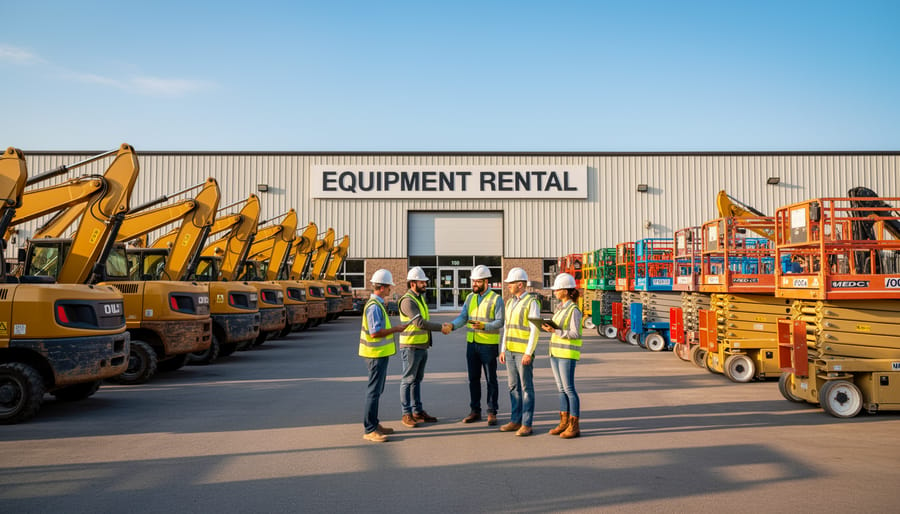
When repair projects face tight budgets and unfavorable cost-to-value ratios, the temptation to cut corners can be strong. However, safety and code compliance are non-negotiable elements that must never be compromised, regardless of whether repairs will recover their costs in property value.
All structural work, electrical systems, plumbing, and building envelope repairs must meet or exceed current building codes in your jurisdiction. Shortcuts that violate code requirements not only put occupants at risk but also create legal liability for contractors and property owners. Inspectors won’t overlook substandard work simply because a project has budget constraints, and future buyers or tenants have the right to expect that all repairs meet safety standards.
Your crew’s safety deserves the same priority. Workers need proper training in ladder safetyback safety and first aid awareness before tackling any repair work, especially when time pressure or budget concerns might encourage rushing. Cost-reduction strategies should focus on material selection, scheduling efficiency, and smart equipment choices, not on eliminating safety measures or rushing through hazardous tasks without proper precautions.
The right equipment also plays a crucial role in maintaining safety standards while controlling costs. Well-maintained rental equipment comes with the assurance that it meets safety specifications and has been properly serviced. When budget pressures mount, the solution isn’t to skip safety protocols or use inadequate tools; it’s to find more efficient ways to execute the work while maintaining the standards that protect everyone involved in the project.
Navigating projects where repair costs exceed property value gains requires a disciplined approach grounded in clear-eyed financial analysis and honest client communication. As a contractor, your role extends beyond executing the work, you’re a trusted advisor helping property owners make decisions that align with their circumstances, whether that means proceeding for safety reasons, exploring value-engineered alternatives, or sometimes recommending against work that doesn’t serve their interests.
The most successful contractors treat each project as unique. They assess the full context: safety requirements, ownership timeline, market conditions, and the client’s long-term plans. They present options clearly, explaining both the costs and the realistic value implications. This transparency builds trust and positions you as a partner in the decision-making process rather than just a service provider.
Cost control becomes essential when margins are already tight. Strategic choices about how you approach the work, phasing projects appropriately, selecting materials wisely, and managing overhead, directly impact whether a project makes sense financially. Access to rental equipment rather than tying up capital in purchases gives you flexibility to keep project costs competitive without compromising on the quality or safety of your work.
Ultimately, these challenging projects test your professionalism and problem-solving skills. By combining technical expertise with business acumen and genuine concern for your clients’ best interests, you can guide them through difficult decisions and deliver results that meet their needs within realistic financial parameters.