
A maintenance technician job description outlines the responsibilities, qualifications, and skills required for professionals who inspect, troubleshoot, and repair mechanical systems, equipment, and facilities to ensure safe, efficient operations. For hiring managers in construction and equipment sectors, a well-crafted job description attracts qualified candidates who can minimize downtime, extend asset life, and maintain compliance with safety standards. For those exploring this career path, understanding these role expectations helps determine if the position aligns with your technical abilities and professional goals.
Maintenance technicians serve as the backbone of operational reliability, particularly in equipment-intensive industries like construction where a single equipment failure can delay projects and increase costs. The role demands a unique combination of hands-on technical expertise, problem-solving skills, and safety awareness. Whether you’re maintaining a fleet of construction equipment, servicing rental machinery, or supporting facility operations, the core function remains consistent: prevent breakdowns before they occur and respond quickly when they do.
In 2026, the maintenance technician position has evolved beyond basic repairs. Today’s technicians interpret diagnostic data, coordinate preventive maintenance schedules, and document service histories to optimize equipment performance. For construction equipment rental operations, these professionals ensure machinery meets safety standards before each rental and maintain detailed records that protect both the business and its customers. The right job description clearly defines these expectations while emphasizing your organization’s commitment to safety training and customer service excellence.
Core Responsibilities of a Maintenance Technician
Preventive Maintenance and Scheduled Inspections
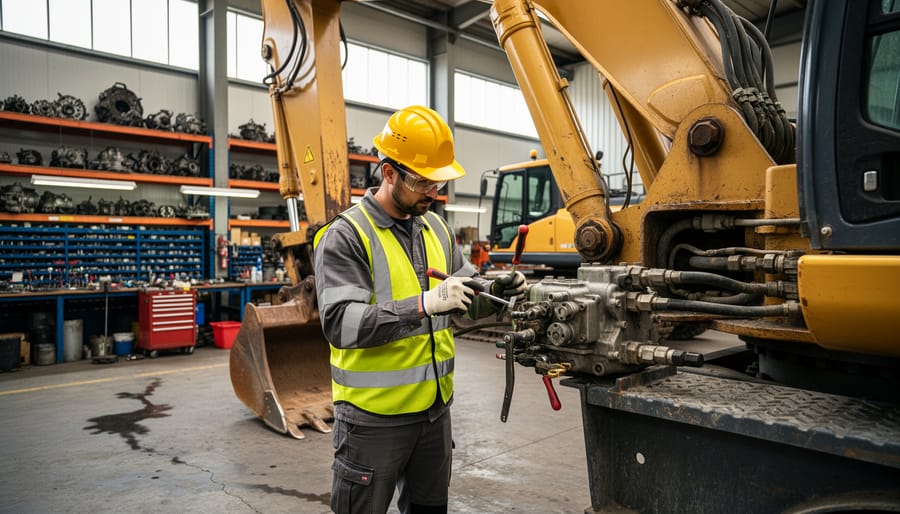
Preventive maintenance forms the backbone of a maintenance technician’s daily responsibilities, particularly in construction environments where equipment reliability directly impacts project timelines. Technicians perform scheduled inspections at manufacturer-recommended intervals, typically every 50, 100, or 250 operating hours depending on the equipment type. These inspections include fluid level checks, filter replacements, belt and hose examinations, lubrication of moving parts, and functional testing of safety systems.
For heavy equipment rentals maintenance technicians must document every service action in detailed records that track each machine’s history. This documentation includes dates, meter readings, parts replaced, issues identified, and corrective actions taken. Many rental operations now use digital maintenance management systems that trigger alerts when equipment approaches service intervals, but technicians remain responsible for verifying actual conditions rather than relying solely on scheduled dates.
Beyond routine tasks, preventive maintenance involves identifying wear patterns before they cause failures. A skilled technician spots early warning signs, unusual sounds, minor leaks, temperature variations, or performance changes, that indicate developing problems. Catching these issues during scheduled inspections prevents costly breakdowns and keeps rental equipment available for customers who depend on consistent performance to meet their deadlines.
Diagnostic and Repair Work
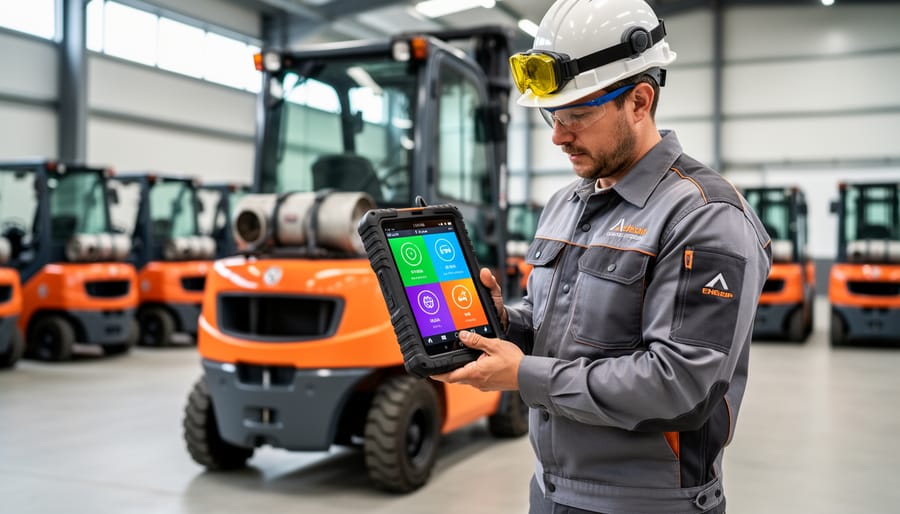
Maintenance technicians must diagnose equipment failures quickly and accurately to minimize downtime for rental customers. This demands systematic troubleshooting that identifies root causes rather than treating symptoms. A technician typically begins with visual inspections and operator interviews to understand when and how the problem occurred, then uses diagnostic equipment, multimeters, pressure gauges, and computerized systems, to pinpoint electrical, hydraulic, or mechanical faults.
The repair scope varies by equipment complexity. Technicians routinely replace worn components like filters, belts, hoses, and bearings. They rebuild hydraulic cylinders, repair electrical systems, and perform engine work ranging from minor tune-ups to major overhauls. For specialized equipment like aerial lifts or excavators, technicians must understand integrated systems where a single failure can cascade across multiple functions.
Problem-solving extends beyond manual skills. When a boom lift won’t extend, for example, the issue could stem from hydraulic pressure loss, a faulty control valve, damaged wiring, or even contaminated fluid. Effective technicians work methodically through possibilities, consulting service manuals and leveraging experience with similar failures. They also recognize when repairs exceed in-house capabilities and coordinate with manufacturers or specialists.
Documentation matters throughout the process. Recording diagnostic findings, parts replaced, and repair procedures creates valuable service history that informs future maintenance decisions and validates warranty claims. This technical record-keeping supports both equipment reliability and customer transparency about the condition of rented machines.
Essential Skills and Qualifications
Technical Competencies
A qualified maintenance technician must demonstrate proficiency across multiple technical disciplines to service modern construction equipment effectively. Mechanical aptitude forms the foundation, technicians need hands-on experience with engines, transmissions, drive systems, and hydraulic components. They should understand torque specifications, proper fastener selection, and bearing replacement procedures.
Electrical competency extends beyond basic wiring repairs. Technicians must interpret electrical schematics, diagnose sensor failures, and troubleshoot complex control systems found in newer equipment. Familiarity with CAN bus systems and electronic control modules has become essential as equipment technology advances.
Hydraulic system expertise is critical for construction equipment maintenance. This includes identifying seal failures, adjusting pressure settings, troubleshooting valve problems, and understanding flow dynamics in complex hydraulic circuits. Technicians should recognize contamination issues and know proper fluid specifications for different equipment types.
Diagnostic tool proficiency separates competent technicians from exceptional ones. Experience with multimeters, pressure gauges, scan tools, and manufacturer-specific diagnostic software enables faster, more accurate troubleshooting. The ability to analyze fault codes and interpret diagnostic data reduces downtime significantly.
Knowledge of equipment-specific systems matters too. Excavators, loaders, aerial lifts, and compaction equipment each present unique maintenance challenges. A strong technician understands the operational principles and common failure points across the equipment fleet they’ll support.
Certifications and Training Requirements
Most construction equipment maintenance positions require a high school diploma or equivalent as a baseline, with vocational or technical school training in diesel mechanics, heavy equipment repair, or industrial maintenance strongly preferred. Many employers value apprenticeship programs or hands-on training certificates that demonstrate practical competency with hydraulic systems, electrical diagnostics, and welding.
Safety certifications are non-negotiable in this field. OSHA 10 or OSHA 30 training provides essential workplace safety knowledge, while forklift certification and aerial lift operator credentials may be required depending on the equipment fleet. First aid and CPR certification shows preparedness for emergency situations on job sites.
Industry-specific credentials significantly strengthen a maintenance technician’s profile. ASE (Automotive Service Excellence) certifications for heavy-duty equipment, manufacturer-specific training from brands like Caterpillar or John Deere, and HVAC certifications for climate-controlled equipment demonstrate specialized expertise. Welding certifications and electrical licenses expand troubleshooting capabilities across diverse equipment types.
Ongoing professional development is expected as equipment technology evolves. Technicians should pursue manufacturer updates on new models, attend workshops on emerging diagnostic software, and stay current with changing safety regulations. Employers often support continuing education through training allowances or paid time off for certification renewal, recognizing that skilled technicians directly impact equipment reliability and customer satisfaction.
Soft Skills and Customer Service
Technical skills maintain equipment, but soft skills keep customers satisfied and projects running smoothly. Effective communication stands as a critical competency, maintenance technicians must explain complex mechanical issues to contractors in clear, non-technical terms and provide realistic timelines for repairs. When equipment fails on a job site, a technician’s ability to listen carefully to the operator’s description of the problem often leads to faster diagnosis than any diagnostic tool.
Teamwork proves equally essential in equipment rental environments. Technicians coordinate with rental coordinators, delivery drivers, and other shop personnel to prioritize urgent repairs and schedule preventive maintenance around customer bookings. Problem-solving requires both analytical thinking and creativity, identifying root causes beyond obvious symptoms and developing workarounds when parts aren’t immediately available.
Customer service skills directly impact retention and reputation. Technicians who approach service calls with patience, empathy for project pressures, and a solutions-focused attitude build trust with contractors. This includes following up after repairs, documenting issues clearly for future reference, and proactively suggesting maintenance schedules that minimize downtime during critical construction phases.
Technical Support Expectations
Maintenance technicians in construction equipment rental environments serve as the critical link between equipment performance and customer success. Beyond hands-on repairs, these professionals provide frontline technical support that directly impacts contractor productivity and project outcomes.
When rental customers encounter equipment challenges on-site, maintenance technicians must respond quickly with clear troubleshooting guidance. This often means fielding calls from contractors who need immediate help determining whether an issue requires service intervention or can be resolved through operator adjustment. Technicians guide customers on proper equipment operation, explain warning indicators, and help them understand which equipment to use for specific applications when performance concerns arise.
Service call response times significantly influence customer satisfaction. Maintenance technicians prioritize urgent requests based on project criticality, equipment type, and safety considerations. They communicate realistic timelines for repairs, arrange equipment swaps when necessary, and coordinate with dispatch to minimize downtime. This customer-facing responsibility requires translating technical issues into plain language that contractors understand without overwhelming them with mechanical details.
Ensuring equipment uptime demands proactive communication. Technicians alert customers to potential issues discovered during routine servicing, explain maintenance intervals that affect rental periods, and provide post-repair briefings to prevent recurring problems. They document service histories that inform future rental decisions and help keep projects running smoothly by identifying patterns that might indicate needed fleet upgrades.
The role extends to educating customers on equipment capabilities and limitations, proper attachment use, and operating conditions that affect performance. This technical advisory function builds trust and positions the rental company as a partner in project success rather than simply an equipment provider.
Safety and Compliance Responsibilities
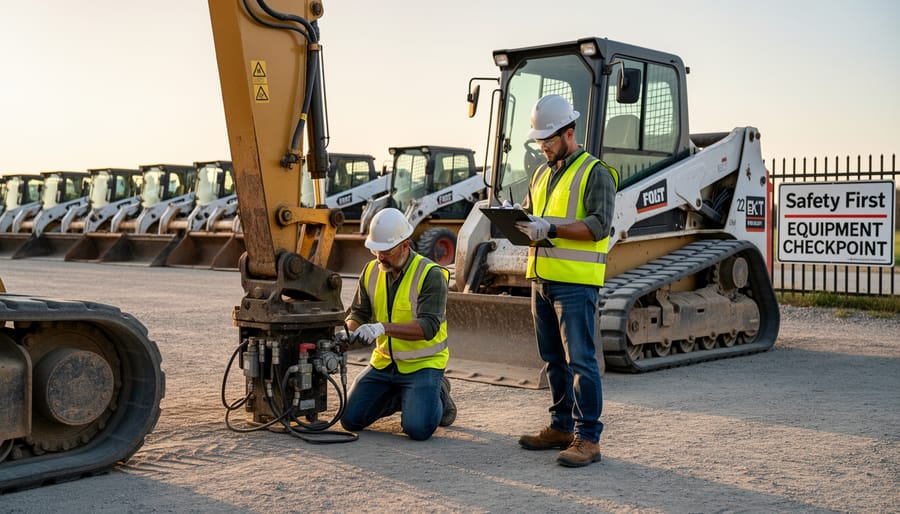
Safety stands at the core of every maintenance technician job description, particularly in construction equipment operations where the stakes are high. Technicians must maintain rigorous adherence to OSHA standards and provincial workplace safety regulations throughout their daily tasks. This includes proper implementation of lockout/tagout during maintenance procedures to prevent accidental equipment start-up, fall protection protocols when working on elevated equipment, and confined space entry procedures for larger machinery.
Beyond personal safety practices, technicians carry direct responsibility for ensuring every piece of rental equipment meets safety standards before it reaches customer job sites. This means conducting thorough pre-rental safety inspections, identifying and correcting hazards like hydraulic leaks or worn safety guards, and documenting all safety-related repairs. A single overlooked issue can lead to contractor injuries, project delays, and significant liability exposure.
Compliance responsibilities extend to maintaining accurate service records that demonstrate adherence to manufacturer specifications and regulatory requirements. Technicians must document all maintenance activities, track equipment operating hours for scheduled service intervals, and flag units requiring repairs before they’re cleared for rental. Many jurisdictions require specific inspection certifications for certain equipment types, making compliance documentation essential for both legal protection and customer confidence.
Hazard awareness training forms another critical component. Technicians regularly encounter risks including high-pressure hydraulics, electrical systems, heavy components, and chemical exposures from fuels and lubricants. They must recognize these hazards, implement appropriate personal protective equipment, and maintain clean, organized workspaces that minimize trip hazards and fire risks.
The role also includes communicating safety information to rental customers. Technicians should be prepared to explain proper equipment operation, point out safety features, and address customer questions about safe usage, ensuring contractors receive equipment that’s both mechanically sound and operationally safe for their crews.
Work Environment and Physical Requirements
Maintenance technicians in construction equipment environments work in diverse and demanding conditions that require physical stamina and adaptability. Understanding these realities helps hiring managers set appropriate expectations and candidates assess their fit for the role.
Most technicians split their time between shop-based repair work and field service calls to customer job sites. Shop environments typically involve working with heavy machinery in well-equipped facilities, though conditions can be noisy and require constant attention to safety protocols. Field work demands flexibility, as technicians travel to various construction sites to diagnose problems, perform repairs, or provide on-site technical support under tight timelines.
The role involves significant physical demands. Technicians regularly lift heavy parts and components (often 50+ pounds), work in confined spaces around large equipment, and spend extended periods standing, kneeling, or working in awkward positions. Manual dexterity is essential for handling tools and small components, while the ability to work at heights or in trenches may be necessary depending on equipment location.
Environmental conditions vary considerably. Technicians work outdoors in all weather conditions when servicing field equipment, from extreme cold during Canadian winters to heat in summer months. Exposure to oils, lubricants, hydraulic fluids, and cleaning solvents is routine, requiring proper protective equipment and adherence to safety procedures.
Schedule expectations typically include standard daytime hours for shop work, but emergency repairs or urgent service calls can require evening, weekend, or on-call availability. Equipment downtime directly impacts customer projects, making service reliability a priority that sometimes demands flexible scheduling to minimize contractor delays.
Writing an Effective Job Posting
Start with a clear job title that candidates actually search for, “Maintenance Technician” or “Equipment Maintenance Technician” works better than creative variations. Your opening paragraph should immediately establish what makes your equipment rental company a compelling workplace: mention safety training investments, modern diagnostic tools, or your commitment to technician development.
Structure the body in clear sections. List core responsibilities first, starting with the most important tasks like preventive maintenance and diagnostic work. Follow with required qualifications, specify which certifications you need versus which you’ll help candidates obtain. Many equipment rental companies struggle to find fully qualified technicians, so highlighting your willingness to train on specialized equipment or sponsor certification programs significantly expands your candidate pool.
Address compensation directly rather than using vague phrases like “competitive salary.” If you can’t list an exact range, indicate what factors influence pay: experience level, certifications held, or specialized skills with certain equipment types. Include total compensation details, overtime availability, tool allowances, continuing education budgets, and health benefits matter to experienced technicians comparing offers.
Highlight what sets your operation apart. Do you maintain newer equipment? Offer predictable schedules with minimal emergency calls? Provide dedicated training time? Technicians evaluating multiple opportunities want specifics about shop conditions, team size, advancement paths, and how your customer service focus translates to their daily work environment. Close with clear next steps and realistic hiring timeline expectations, transparency throughout the posting attracts serious candidates who appreciate straightforward communication.
Skilled maintenance technicians are the backbone of successful construction equipment operations. Their expertise ensures contractors receive reliable machinery when they need it, minimizing downtime and keeping projects on schedule. Beyond technical repairs, these professionals embody the customer service excellence that sets equipment rental companies apart in a competitive market.
The maintenance technician job description outlined here reflects the multifaceted nature of this critical role. These individuals must balance mechanical proficiency with diagnostic skills, safety compliance with customer communication, and preventive care with urgent repairs. When equipment rental companies invest in hiring and developing technicians who meet these standards, they’re investing directly in their reputation and customer satisfaction.
For hiring managers crafting job postings, clarity about responsibilities and qualifications attracts candidates who can deliver both technical competence and service-oriented support. The right maintenance technician doesn’t just fix equipment, they contribute to rental equipment uptime that contractors depend on to meet deadlines and budgets.
As the construction equipment sector continues evolving with new technologies and customer expectations, skilled technicians remain essential. Companies that recognize this value and build strong maintenance teams position themselves for long-term success, earning trust through consistent equipment performance and responsive technical support.